
For many people, fitness isn’t just about “getting some exercise.” It’s about shaving minutes off a marathon time, improving power output on the bike, earning a new belt in martial arts, or simply training smarter year after year without burning out. Serious recreational athletes—those who train regularly but aren’t paid professionals—sit right in the middle ground between casual fitness and elite sports. And increasingly, artificial intelligence (AI) is being built exactly for them.
AI is reshaping how dedicated amateurs train, recover, and perform by bringing sophisticated tools once reserved for elite athletes into everyday workouts.
Training Plans That Adapt to Real Life
Traditional training plans are rigid. They often assume perfect adherence, unlimited recovery time, and few outside stressors. Anyone balancing work deadlines, family obligations, or travel knows how unrealistic that can be.
AI-powered training platforms are different. They continuously adapt based on how you actually train. If you miss a long run, struggle through intervals, or suddenly improve faster than expected, the plan adjusts. Intensity, volume, and recovery are recalibrated automatically.
For runners, triathletes, and endurance athletes, this means plans that reflect fatigue, fitness gains, and real-world constraints, not just what a spreadsheet says you should do. For strength or martial arts practitioners, AI can adjust load, frequency, and skill work to keep progress steady without overreaching.
For example, the app Fitbod creates personalized strength and resistance training plans using data points like your fitness level, goals, preferences, availability, and equipment. It tracks your progress and recovery to adapt its workout recommendations to real life—for example, suggesting which muscle group to focus on next, or recommending more time for recovery. FitnessAI also provides personalized workout recommendations and training routines based on similar data. It also adjusts its suggestions based on your progress.
Wearables That Go Beyond Basic Metrics
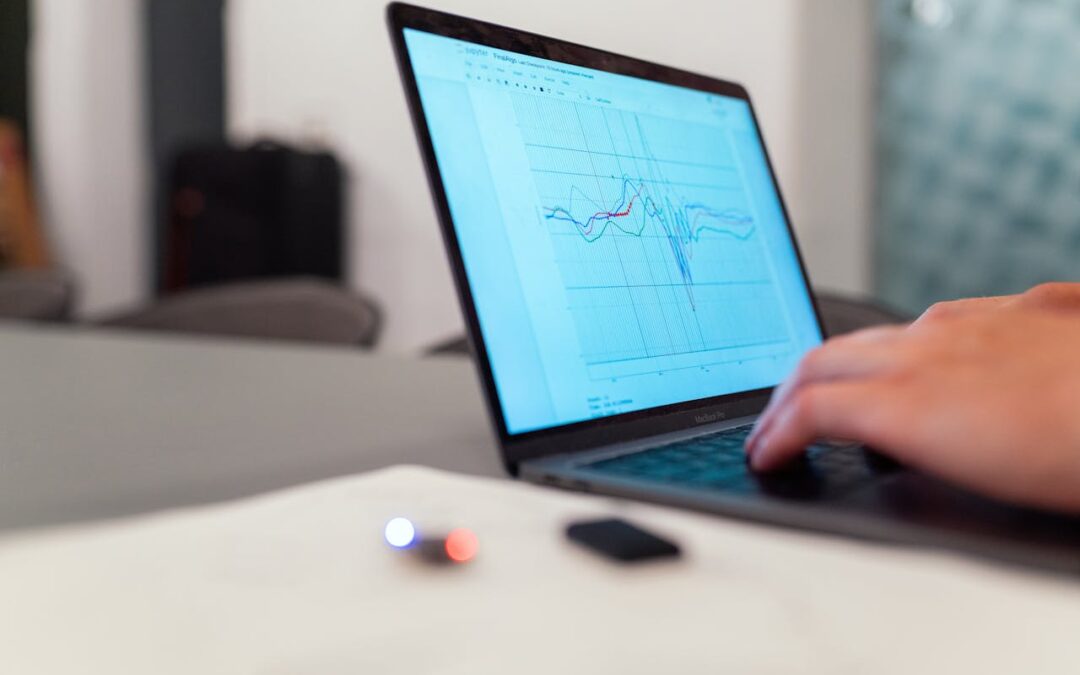
Most serious recreational athletes already use wearables like an Apple Watch or Garmin, but AI is what turns those devices into performance tools rather than step counters. Metrics like heart rate variability, sleep quality, resting heart rate, and training load only matter if they’re interpreted correctly—and that’s where AI excels.
AI systems analyze trends over time, not just daily numbers. They can identify when your body is adapting well, when fatigue is accumulating, or when you’re on the edge of overtraining. Instead of guessing whether you should push or back off, athletes get data-informed guidance. This is especially valuable for amateurs who train hard but don’t have access to coaches or sports scientists.
Plenty of familiar players in the fitness wearables space are integrating AI into their products. The Apple Watch now features the Workout Buddy, which provides verbal audio encouragement and tips during workouts. The Oura Ring has an AI-powered Advisor that provides personalized health guidance synthesized from the data the ring collects. It can also answer general health questions and learn from your previous interactions with it. Garmin has similarly incorporated AI-powered features in Garmin Connect+.
Technique and Skill Development Without a Coach on Hand
Improving performance is as much about your technique as it is about fitness. Whether it’s running mechanics, lifting form, or pedaling technique, small technical flaws can limit progress and increase your risk of injury.
AI-powered motion analysis is making technique feedback more accessible. It may not be at the level of an expert personal trainer, but the advancements are impressive. Using a smartphone camera or smart equipment, AI can analyze movement patterns and offer real-time corrections. Runners can receive cues on cadence or posture, for example. Strength athletes can get feedback on squat depth or bar path.
While this doesn’t replace an experienced coach, it fills a crucial gap for athletes who train alone or outside formal coaching environments—and it can also help trainers and coaches themselves offer better guidance.
Motion Coach, for example, uses motion analysis technology and your phone’s camera to track movements during exercise. It can evaluate your form, posture, range of motion, flexibility, and stability, and provide audiovisual feedback. For runners, Ochy uses computer vision AI to analyze a video of you running and deliver detailed gait and performance insights.
Recovery Becomes a Competitive Advantage
One of the biggest differences between performance improvement and a plateau is recovery. Serious recreational athletes often train hard, but don’t always rest strategically. This is especially important in endurance sports.
AI helps bring structure to recovery by analyzing sleep, stress, and training load together. It’s common to fall into the trap of equating rest days with laziness or weakness, but AI can reframe them as part of performance optimization. Athletes receive recommendations for lighter sessions, mobility work, or complete rest based on physiological signals, not guilt or guesswork.
Over time, this can promote more consistent training, fewer injuries, and better long-term performance, which is especially important for athletes who want to stay at their peak into their 40s, 50s, and beyond.
Smarter Nutrition for Performance Goals
Nutrition is another area where amateur athletes often struggle, though usually not from lack of effort, but from a lack of clarity. Anyone who cares about nutrition knows that a healthy diet generally includes vegetables, fruits, lean proteins, whole grains, fiber, and healthy fats, with minimal processed foods and sugar. But beyond this, even athletes may not be clear on, say, exactly how much protein to eat or how to fuel their body in the run-up to a marathon. AI-driven nutrition tools can tailor recommendations based on training volume, goals, dietary preferences, and even upcoming race days.
Rather than generic calorie or macronutrient targets, AI can adjust recommendations based on workload and recovery needs. Endurance athletes can precisely time their carbohydrate intake. Strength athletes can get tailored protein goals to hit. Multi-sport athletes can balance fueling across disciplines. This level of personalization helps athletes optimize their performance without turning eating into a full-time job.
For instance, Hexis uses AI to provide personalized nutrition plans. The app and platform rely on an algorithm incorporating a huge range of variables—like your body composition, weight, other biometrics, goals, lifestyle patterns, the purpose of a particular workout, and the type, duration, and intensity of your workouts within a 72-hour period. With these and other variables, Hexis calculates your individual energy requirements, with plans telling you what to eat and when. The app also provides insights into your energy expenditure on a minute-by-minute basis and dynamically adjusts its recommendations.
Motivation, Consistency, and Long-Term Progress
Even for highly motivated athletes, long training cycles can be a real slog. Maintaining a consistent regimen takes mental grit. AI helps by recognizing behavior patterns and adjusting goals to help keep your momentum going. If motivation drops, intensity can be scaled back temporarily. If progress stalls, training variables can be tweaked to reintroduce challenge.
For amateur athletes who train consistently for years rather than occasionally, this long-term adaptability is crucial. AI supports sustainable progress instead of short-term peaks followed by burnout.
Serious Training Without Elite Resources
Perhaps the greatest impact of AI on fitness is how it levels the playing field. Performance insights, adaptive programming, and recovery optimization were once limited to professionals with teams of experts. Today, serious recreational athletes training alone can access many of the same principles through AI-driven tools.
AI doesn’t replace coaches or trainers; there’s a reason why pro athletes employ them, after all. However, technologies like AI can amplify the real-world experience, personalized insights, and emotional support that that these professionals provide. AI can help dedicated amateur athletes train with intention, recover intelligently, and continue improving despite busy lives.
A Smart Path Forward
For amateur athletes who care deeply about performance, AI can be a powerful training partner. It adapts plans to real life, turns data into insight, and helps athletes balance ambition with longevity. The result isn’t just better workouts, but better progress. When time is limited but goals are high, AI is helping serious recreational athletes train like professionals—without needing to be one.