
For decades, the international business traveler had two options when a language barrier appeared: hire an interpreter or hope the other side spoke English.
Today there is a third option sitting in your pocket, and increasingly in your ears. Real-time AI translation has moved from novelty to genuinely useful tool, but it is not yet a substitute for fluency. Knowing where it shines and where it stumbles can save you from an awkward moment in a boardroom or a wrong turn in a taxi.
What the Tools Actually Look Like Now
The current landscape falls into three broad categories. First are smartphone apps such as Google Translate, Microsoft Translator, and Apple Translate, which offer conversation modes that listen, transcribe, and speak translations aloud.
Second are translation earbuds, from mainstream options like Apple’s AirPods with Live Translation and Google’s Pixel Buds to dedicated devices from companies such as Timekettle and Vasco, which pipe translated speech directly into your ear.
Third are meeting platforms, including Zoom and Microsoft Teams, which now offer translated captions and, in some cases, AI interpretation for virtual and hybrid calls.
Features and supported languages change quickly, so check what your specific devices and apps support before a trip. Download offline language packs in case you land somewhere with spotty coverage.
The Taxi Ride: Where AI Translation Earns Its Keep
Short, transactional exchanges are where these tools perform best. Giving an address, confirming a price, asking a driver to wait or explaining that you need a receipt all involve simple sentences with little room for misinterpretation. A phone held between you and the driver, or a quick typed phrase shown on screen, handles these situations well in most major languages.
A practical tip: Type or show destinations rather than speaking them. Street names and proper nouns are exactly what AI speech recognition tends to mangle. Keep your hotel’s address saved in the local script, and let the app handle the conversation around it.
The Business Dinner: Useful, With Caveats
Dinners are harder. Background noise, overlapping voices, humor and the natural rhythm of social conversation all strain the technology. Earbuds help because they reduce the back-and-forth of passing a phone, but there is still a lag of a second or two, and conversation mode works best when people take clear turns speaking.
Accuracy also varies by language pair. Translation between English and widely spoken European languages tends to be strong, while languages with less training data, heavy regional dialects or complex honorific systems produce more uneven results. Japanese and Korean, for example, encode levels of politeness that an app may flatten or misjudge, which matters in cultures where formality signals respect.
Treat AI at dinner as a bridge for small talk and clarification, not as the vehicle for your most important relationship-building. A few sincere words learned in the local language, even imperfectly pronounced, often do more for rapport than a flawless machine translation.
The Meeting: Know When to Call a Professional
For internal check-ins, vendor walkthroughs or preliminary discussions, AI translation can keep things moving and reduce dependence on the one bilingual person in the room. Translated captions on video calls are especially helpful for following along and reviewing later.
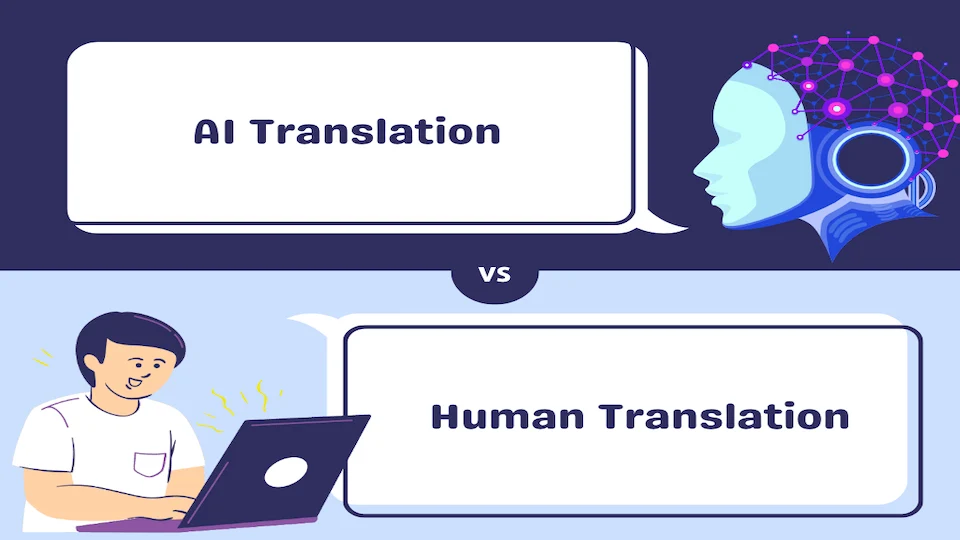
For negotiations, contract discussions, legal matters or anything where a single misunderstood word could cost money or trust, hire a human interpreter. Professional interpreters do more than convert words: they catch nuance, flag cultural subtext, and can tell you when a polite “we will consider it” actually means no. AI tools are improving, but they still occasionally translate with confidence while getting the meaning wrong, and they won’t warn you when that happens.
Also consider confidentiality. Many consumer translation apps process audio in the cloud. Before running sensitive discussions through any tool, check your company’s policies and the app’s data practices, or ask IT whether an enterprise-approved option exists.
Etiquette: The Part the Apps Don’t Handle
The technology is only half the equation. How you use it shapes how you are perceived. A few guidelines:
- Ask before you record. Holding up a phone to capture someone’s speech can feel intrusive. A brief “Do you mind if I use a translation app?” goes a long way.
- Mind the earbuds. In many cultures, wearing earbuds during a conversation reads as inattentive or rude. If you use them, explain why at the outset, and consider offering the other person the second earbud if your device supports shared translation.
- Speak simply. Short sentences, no idioms, and a pause after each thought will dramatically improve accuracy. “We need to circle back and touch base offline” may not survive translation intact.
- Keep eye contact on the person, not the screen. It’s easy to end up talking to your phone. Look at your counterpart while they speak, and glance at the translation afterward.
- Confirm the important points. Restate key details such as dates, numbers and commitments, and follow up in writing, ideally reviewed by a fluent speaker.
The Bottom Line
AI translation has genuinely lowered the barrier to doing business abroad. It makes solo navigation easier, softens the awkward edges of social encounters and helps teams collaborate across languages day to day. What it hasn’t done is replace the judgment, cultural insight, and accountability of a skilled human interpreter, or the goodwill that comes from making a personal effort. The smartest executive travelers use these tools the way they use a good map: indispensable for getting around, but no substitute for knowing the territory.